- Blog
- How to Spot Odometer Fraud? A Guide for Car Dealers
How to Spot Odometer Fraud? A Guide for Car Dealers
Odometer fraud can be less of a risk if you know what to check before buying. Learn how to verify mileage, read vehicle history, and spot warning signs.
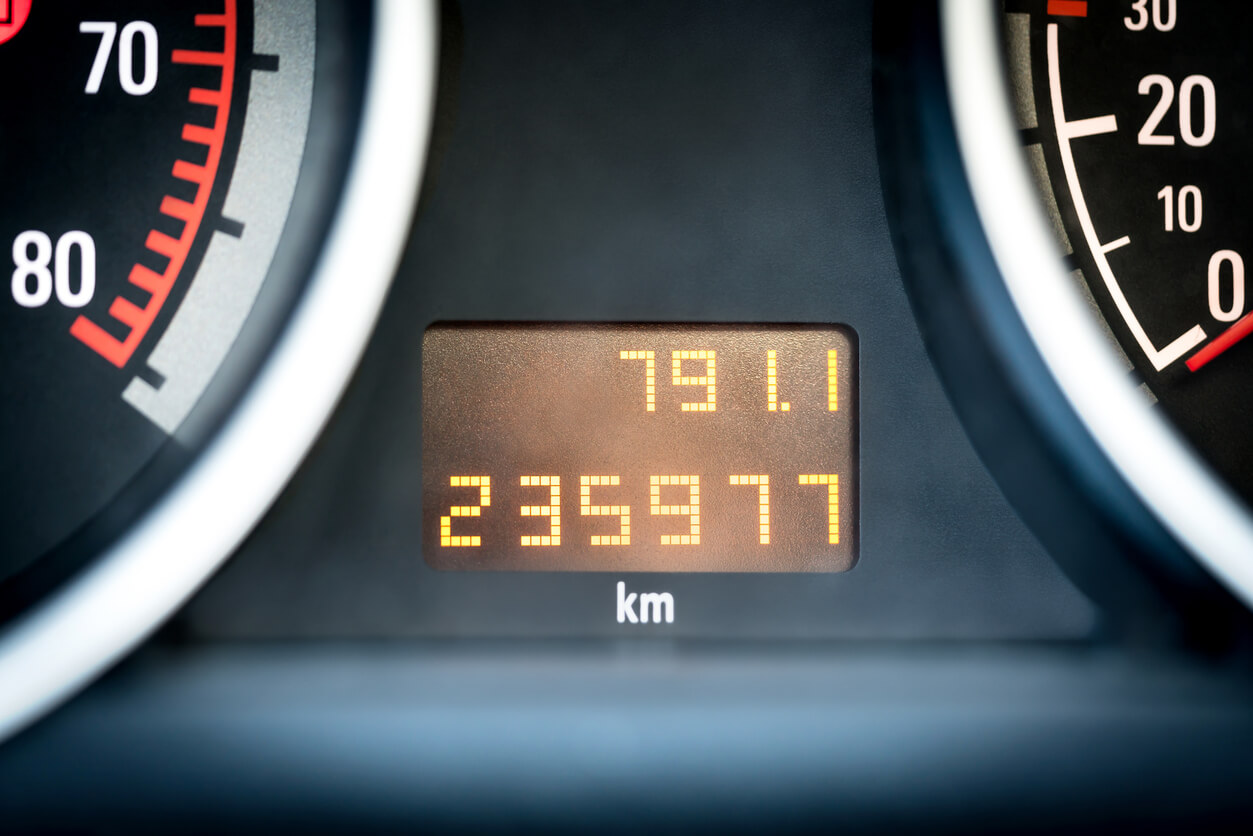
A car may look good in photos, the price may be attractive, and it can seem as if you’re buying a great car for your dealership.
But if the mileage has been rolled back, the car’s real value is very different.
Also, odometer fraud could affect customer trust and even create legal responsibility for your business.
With a clear process and the right checks, you can avoid many risky purchases and focus on reliable vehicles.
Temas principales
- Odometer fraud can cause you to overpay for a car and lead to problems when reselling it.
- Cross-border cars require additional checks because mileage records may be incomplete or difficult to verify.
- Always compare the odometer reading with service history, VIN reports, inspection records, and visible wear.
- Keep proof of every mileage check so you’re protected if an issue comes up later.
What is odometer fraud, and why it matters to car dealers
A car had 200,000 km at its last inspection. Then it appears on a listing with 130,000 km.
That is odometer fraud.
It means the displayed mileage has been changed so the car looks less used than it really is.
Now, not all odometer changes are automatically illegal.
There is also odometer correction, which is different.
This can be legal when there is a valid technical reason, for example, when the part that shows the mileage has been replaced.
In that case, the correction should be documented, and the real mileage should be clear.
Although a clocked car can look better to uninformed buyers, tampering with the odometer hides wear on the engine, gearbox, and other parts.
For car traders, this creates three big risks:
- Overpaying when buying the car.
- Pricing the car incorrectly when selling it.
- You may face complaints if the real mileage is discovered later.
If you’d like to avoid these risks, you’ll need to know where and how mileage fraud usually happens.
How cross-border odometer fraud works
It’s harder to detect odometer fraud in cross-border trade than in domestic sales.
That’s because mileage records are not always exchanged well between countries.
Here’s a common scenario:
You might see a car with high mileage at its last inspection in one EU country, but no clear records from the export period.
Then, when you find the same car advertised in another country, the mileage is much lower, and the service documents are incomplete.
Without the earlier records, you may not spot the mismatch.
Keep in mind that mileage fraud can also go in the other direction.
Sometimes, fraudsters increase the mileage so the car looks more used than it really is.
They may do this to lower import costs or taxes in the country where they import and register the car.
So, if you’re buying cars from another country, check the mileage history against every document you can get before you pay.
Risks of sourcing cars internationally
Of course, international trading gives you a much wider choice of cars to import.
But if you do decide to import cars from other countries, keep in mind the risks associated with mileage tampering:
- Missing service records
- Mileage recorded in different formats or systems
- Documents in another language
- Old inspection records that are hard to verify
- Sellers who only provide partial history
This doesn’t mean international buying is unsafe; it only means you need stronger checks in place.
For sourcing cars online, this is especially important.
That’s why you should only buy from professional platforms that have detailed vehicle descriptions, condition reports, photos, and documentation.
Combine that with VIN checks, and you’ll be able to make safer decisions before buying.
How odometers get tampered with
You might remember how older cars often used mechanical odometers.
These could be physically rolled back to show fewer kilometers than the car had actually driven.
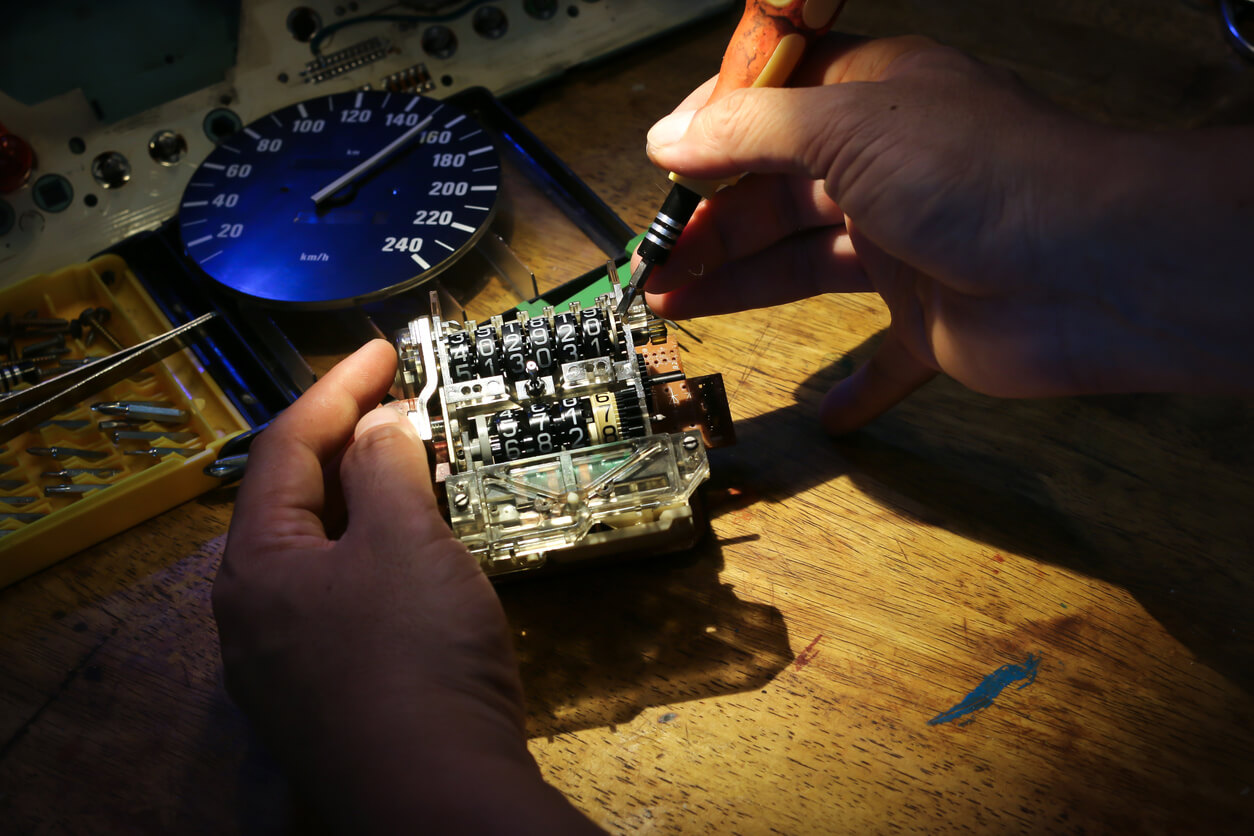
Today, odometer tampering usually works differently.
In many modern cars, mileage is stored digitally and may appear in more than one place.
Depending on the car, you can find mileage data in:
- Engine control unit
- Gearbox control unit
- ABS module
- Body control module
- Key memory
- Service data
So, if you’ve been scammed by an amateur fraudster, only the dashboard reading is changed.
That’s when an OBD scan may reveal different mileage values in other modules.
But when fraud is done professionally, several modules may be altered.
In that case, you need to rely on multiple checks: service history, inspection records, ownership history, wear patterns, and database checks.
How to spot a clocked car
Now, let’s get to the list of things that can help you spot a clocked car before you buy it.
Physical state vs displayed mileage
Start with the basics.
Does the car look like the mileage shown?
A car with 70,000 km shouldn’t have a steering wheel that is completely smooth, heavily worn pedals, or sagging seats.
If you’re buying online, take a look at the car photos and observe the following:
- Steering wheel
- Gear selector
- Pedals
- Seat fabric
- Buttons and switches
- Carpets
- Headlight wear
- Cargo area (for LCVs)
One worn part doesn’t prove anything on its own, but several signs of heavy use together can tell you that the car has likely done more kilometers than the odometer shows.
Gaps in service history
Your next helpful check is the service history.
A real service history should show mileage increasing in a normal way.
In this example from an eCarsTrade auction, the mileage steadily increases from the first recorded service.
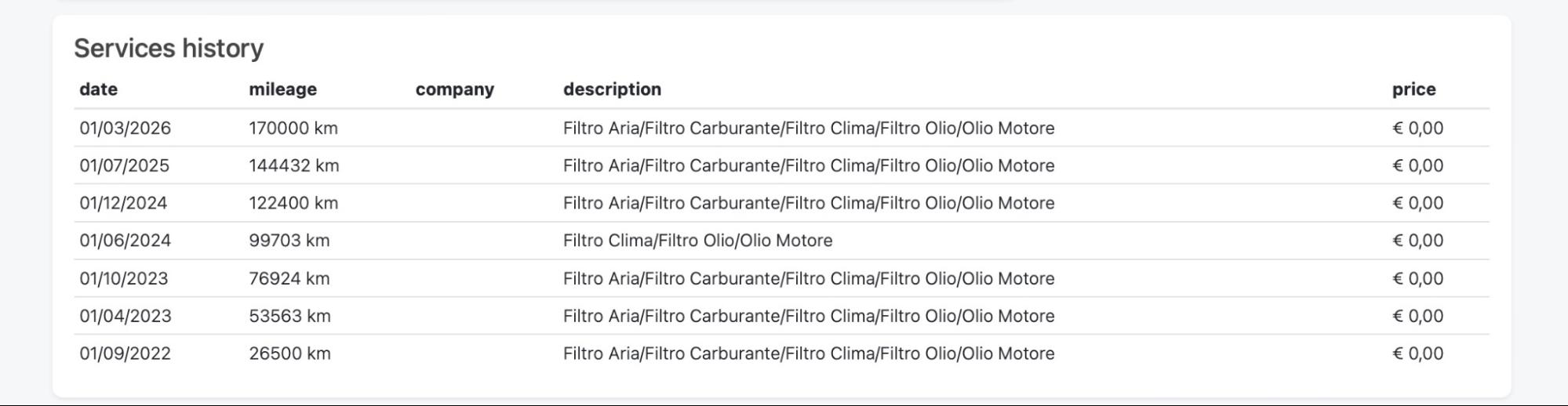
- Long periods with no invoices
- Service intervals that are too long
- Mileage readings that don’t follow a logical timeline
But not every strange entry means fraud.
A single 0 km entry or a missing mileage value can also be a data error, as shown here.
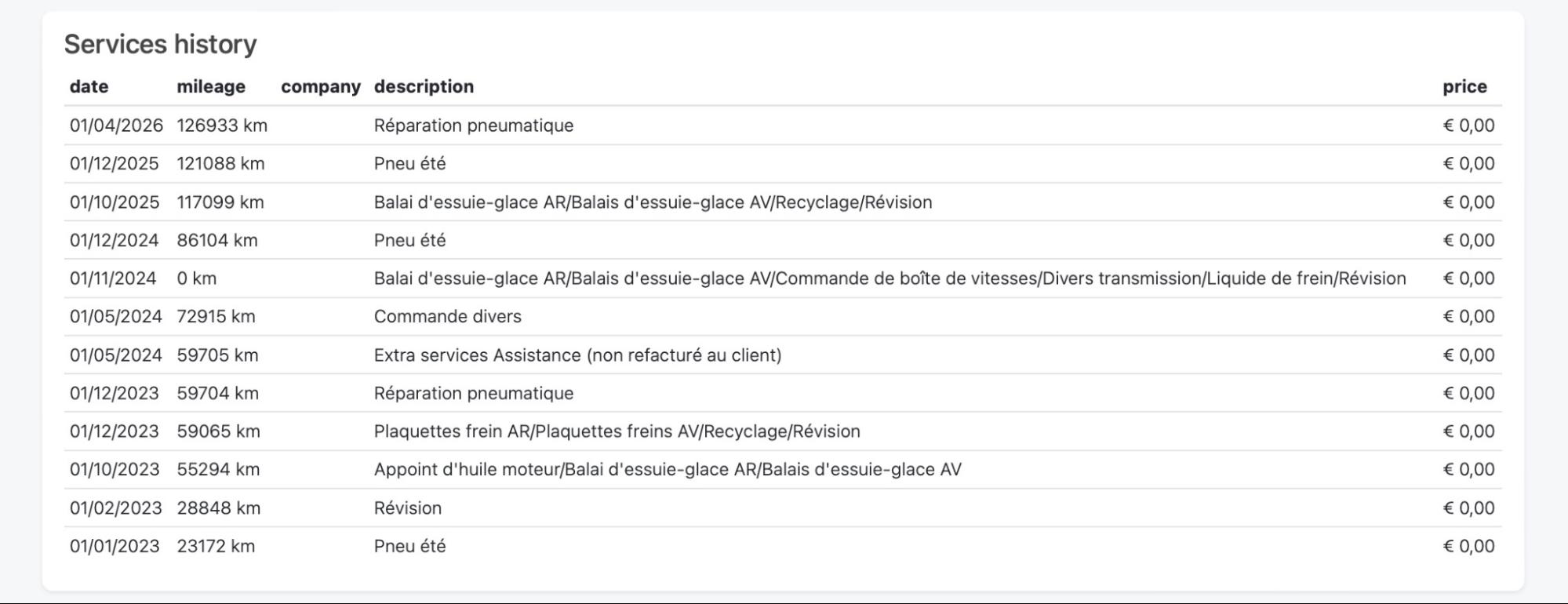
The service history otherwise makes sense, and the mileage continues to increase normally after that entry.
All in all, what matters is the full history timeline.
Discovering the real mileage with an OBD tool
If you can inspect the car before buying, an OBD scan is worth doing.
In many modern cars, mileage-related data may be stored in more than one place, not just on the dashboard.
If the odometer reading was changed poorly, a scan may reveal different mileage values in the car’s electronic systems.
It won’t catch every case, but it can give you another useful check before you commit.
Check the VIN report
A VIN report can be a very helpful tool for comparing the car’s current mileage with earlier records from its history.
Depending on the provider, the VIN report may show mileage readings from inspections, registrations, service records, auctions, or previous listings.
This can help you spot mileage drops, long gaps, or entries that don’t match the vehicle’s age and condition.
Checking mileage by country
Mileage checks are easier in some EU countries than in others.
The EU doesn’t have a single central mileage database that covers all Member States, so you’ll need to check what mileage records are available in the country the car comes from.
Central registers in the Netherlands, Belgium and France
Some countries have strong national systems for recording mileage, and Belgium is one of the best examples in the EU.
Car-Pass is a legal system created to fight mileage fraud.
It records odometer readings for cars and LCVs registered in Belgium, using data from car dealers, repair shops, inspection centers, and other automotive professionals.
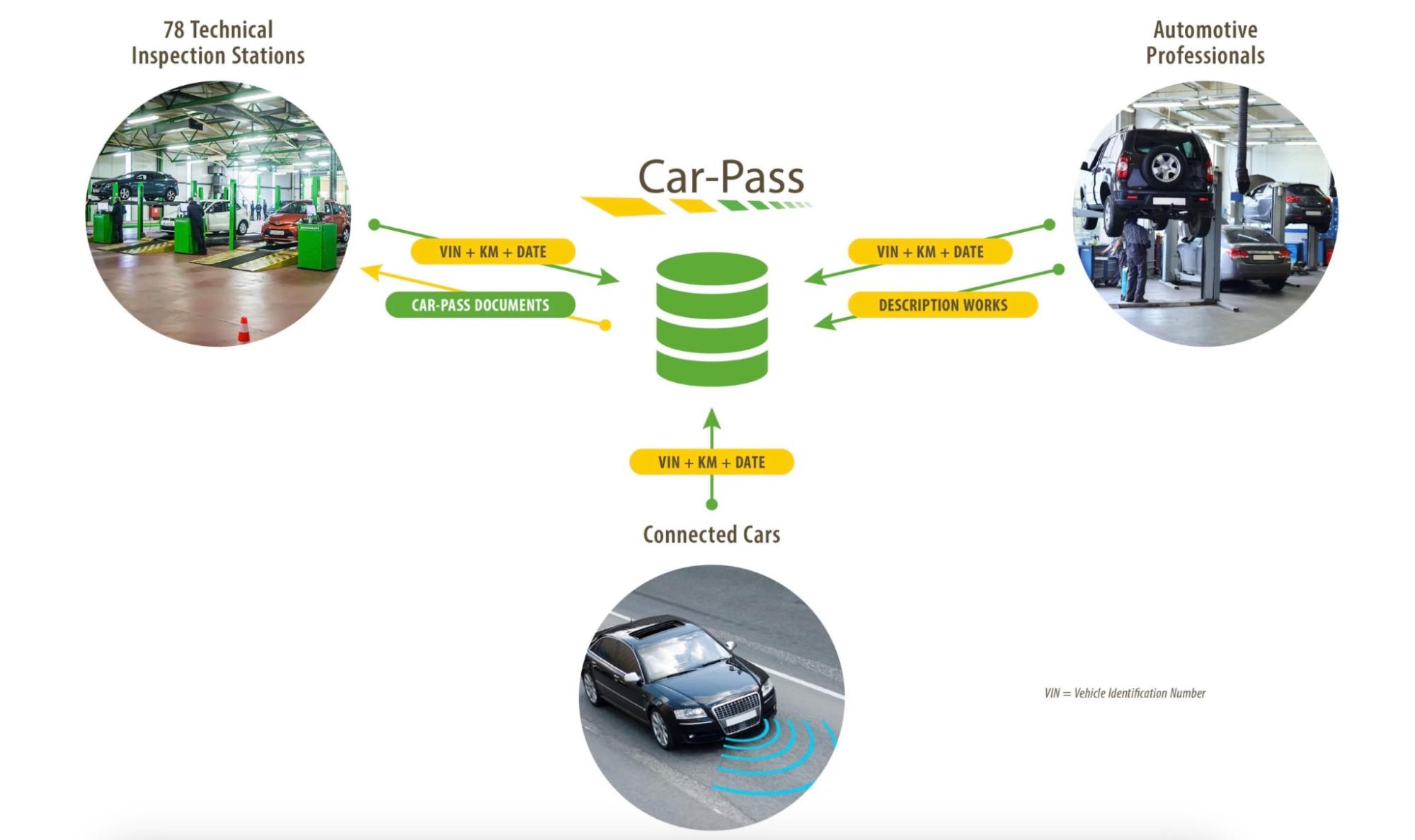
Source: Car-Pass
When a second-hand vehicle is sold in Belgium, the Car-Pass document shows the buyer the vehicle’s mileage history.
When buying through eCarsTrade, the Car-Pass document is available on request for all Belgian cars.
The Netherlands has an official RDW mileage system.
The check doesn’t publicly display all registered odometer readings, but it can confirm whether the mileage matches the known history.
France has HistoVec, a free official service that allows the owner to share the car’s administrative history with a buyer, including its technical inspection history.
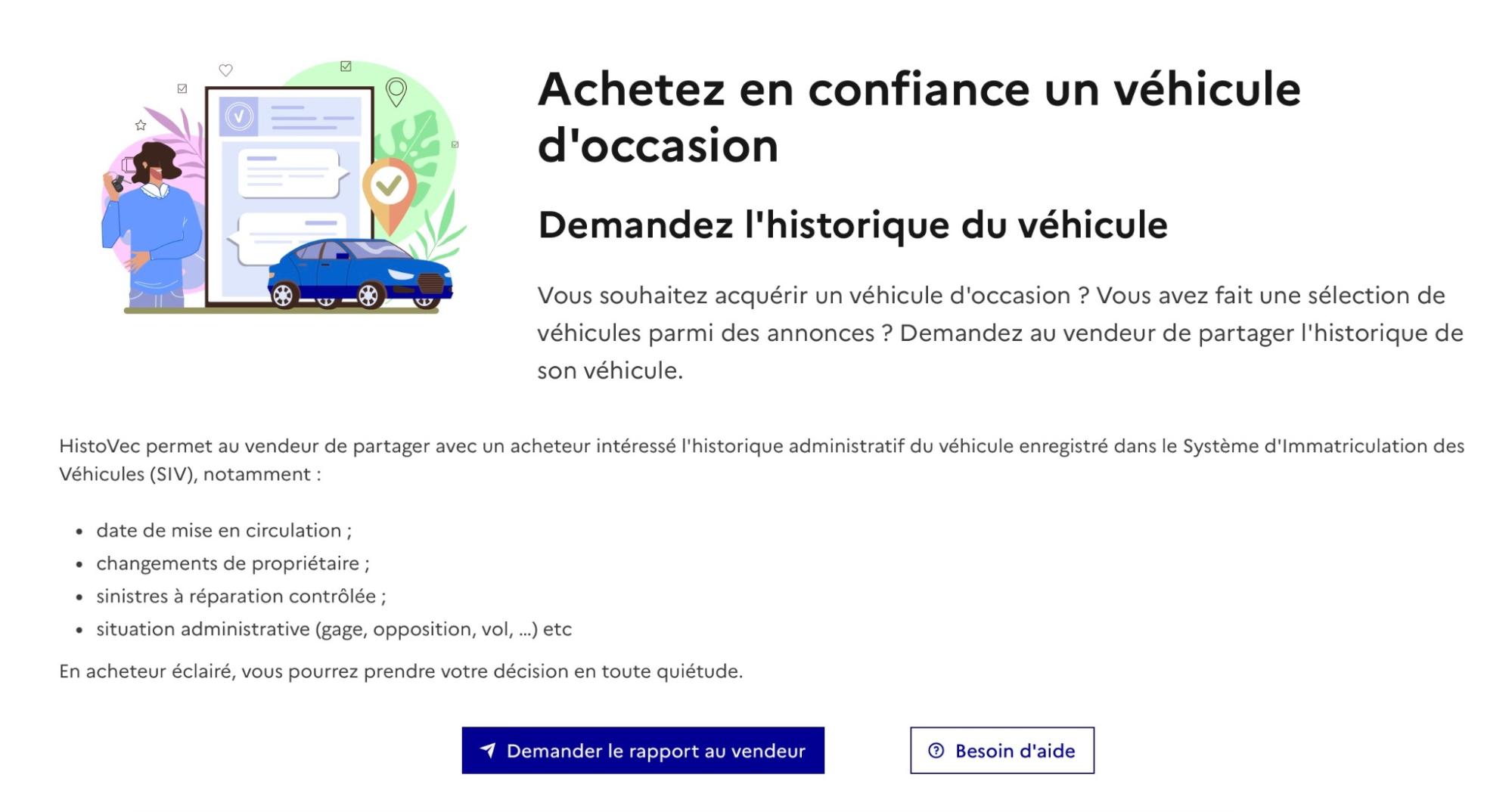
Source: HistoVec
Cars from these countries can be easier to verify, especially if the history is complete.
Still, always check the full timeline, because the car may have been imported before.
Countries with no central register
Most other EU members don’t have central registers.
That doesn’t mean that cars coming from these markets are risky. You can still source good cars abroad, but you’ll have to rely on other proof, such as:
- Technical inspection records
- Service invoices
- Dealer maintenance history
- Manufacturer records
- VIN reports
- OBD scans
- Appraisal reports
The more sources you can compare, the better.
Liability for used car traders and re-sellers
Mileage fraud is not only a buying problem—it can become a selling problem, too.
If you sell a car with tampered mileage, the buyer may come back to you, even if you did not personally change the odometer.
That’s why you should always document your mileage checks.
For each car, keep copies of:
- Purchase documents
- Auction description
- VIN report
- Service records
- Inspection records
- Mileage checks
- Communication with the supplier
Documenting these things shows that you acted professionally and responsibly.
What to do if you buy a tampered car
Let’s say you did all the available checks, bought a car, and then found out the changed mileage.
Your first response should be pausing the resale process until you know what you’re dealing with.
Don’t advertise or sell the car as if the mileage is correct!
Next, collect all the related evidence.
Then contact the seller or platform and explain what happened.
Also check your contract to see what it says about mileage, returns, and claims.
From there, your options depend on the case.
Sometimes, the best option may be to return the car.
In other cases, you may still be able to resell it, but only if you disclose the mileage and price the car accordingly.
Never hide the issue from the next buyer.
Customer protection laws if you sell a tampered car
Selling a car with false mileage can create legal problems under EU consumer protection rules, including the Unfair Commercial Practices Directive and the Sale of Goods Directive.
National laws also apply, so the exact rules depend on where you sell the car.
The best approach is simple: check the mileage before buying and keep proof of your checks.
EU’s revised Roadworthiness Package
The EU is also trying to make mileage fraud harder to hide.
In April 2025, the European Commission proposed a revised Roadworthiness Package.
The proposal includes better mileage recording and easier sharing of vehicle data between countries.
For car traders, this could make cross-border mileage checks more reliable in the future.
Keep in mind that these changes are not yet active, so you should follow EU updates and continue using your own mileage checks for now.
Verifying mileage when buying in bulk
While buying in bulk can be efficient, it can also increase risk because it’s harder to check each car.
Still, if you create an efficient workflow for mileage checks, you can review more cars without missing important details.
For each vehicle, check the following:
- VIN
- First registration date
- Country history
- Last known mileage
- Photos of odometer
- Condition report
- Price compared with market value
If a vehicle has an unusually low mileage or heavy wear for the mileage, slow down and check the history more carefully before you buy.
Bulk/API VIN checks
For larger traders, API-based VIN checks can save a lot of time.
An API is simply a way to connect a VIN-check provider to your own system, so you can check many VINs automatically instead of entering them one by one.
This is helpful when you want to check a full auction list at once.
Some of the providers of this service available in Europe include:
Still, although automation can be helpful when running a dealership, you shouldn’t let software replace your judgement.
FAQ
Is odometer correction legal in the EU?
An odometer correction can be legal if there is a valid technical reason and the actual mileage is not hidden. Changing mileage to mislead a buyer is odometer fraud.
When is odometer correction allowed?
It may be allowed after a repair, for example, when the part that shows the mileage is replaced. The correction should be documented, with the real mileage clearly shown.
How do I check if a German car has been tampered with?
Germany doesn’t have a public mileage register like Belgium’s Car-Pass. Check the service history, inspection records, VIN report, OBD data, and whether the mileage timeline makes sense.
Does the EU have a central mileage database?
No. The revised Roadworthiness Package could improve mileage data sharing in the future, but it’s not active yet.
Can you tell if a car’s mileage has been rolled back?
Sometimes, yes. Look for mileage that decreases from one record to the next, long gaps in the service history, strange VIN report entries, and wear that does not match the displayed mileage.
What’s the difference between odometer correction and odometer fraud?
Odometer correction is a documented technical fix. Odometer fraud is changing the mileage to make the car look less used than it really is.
_01JE9WH8CRTMG3B3WDH56WNJHD.png)